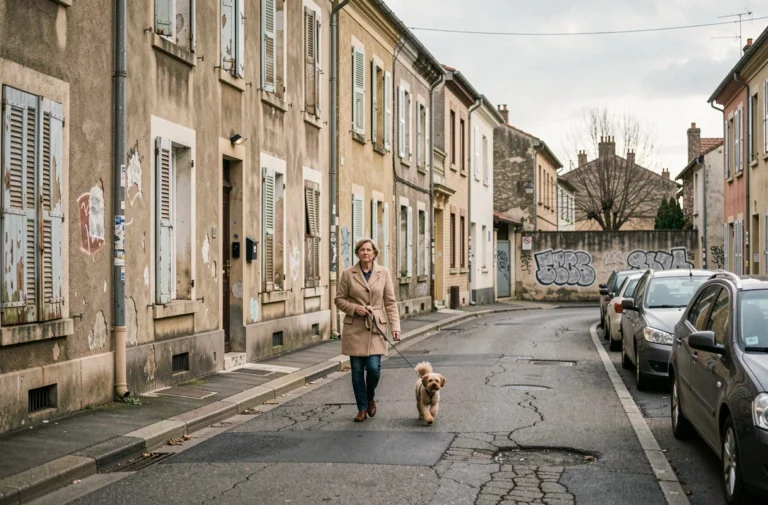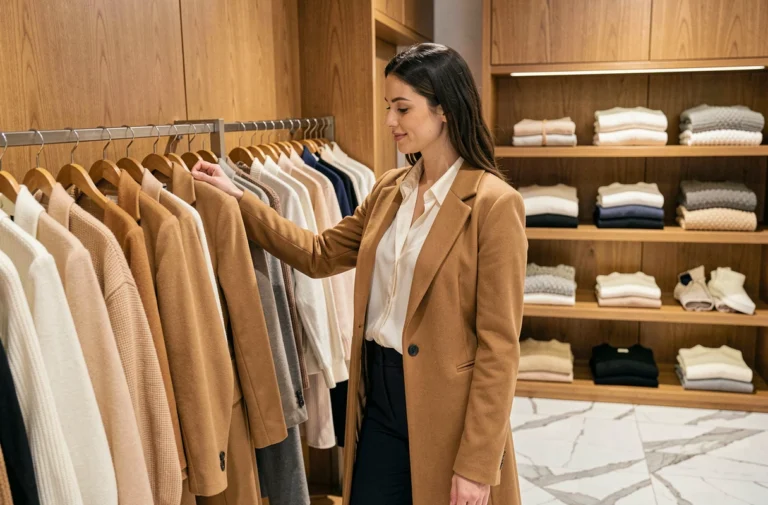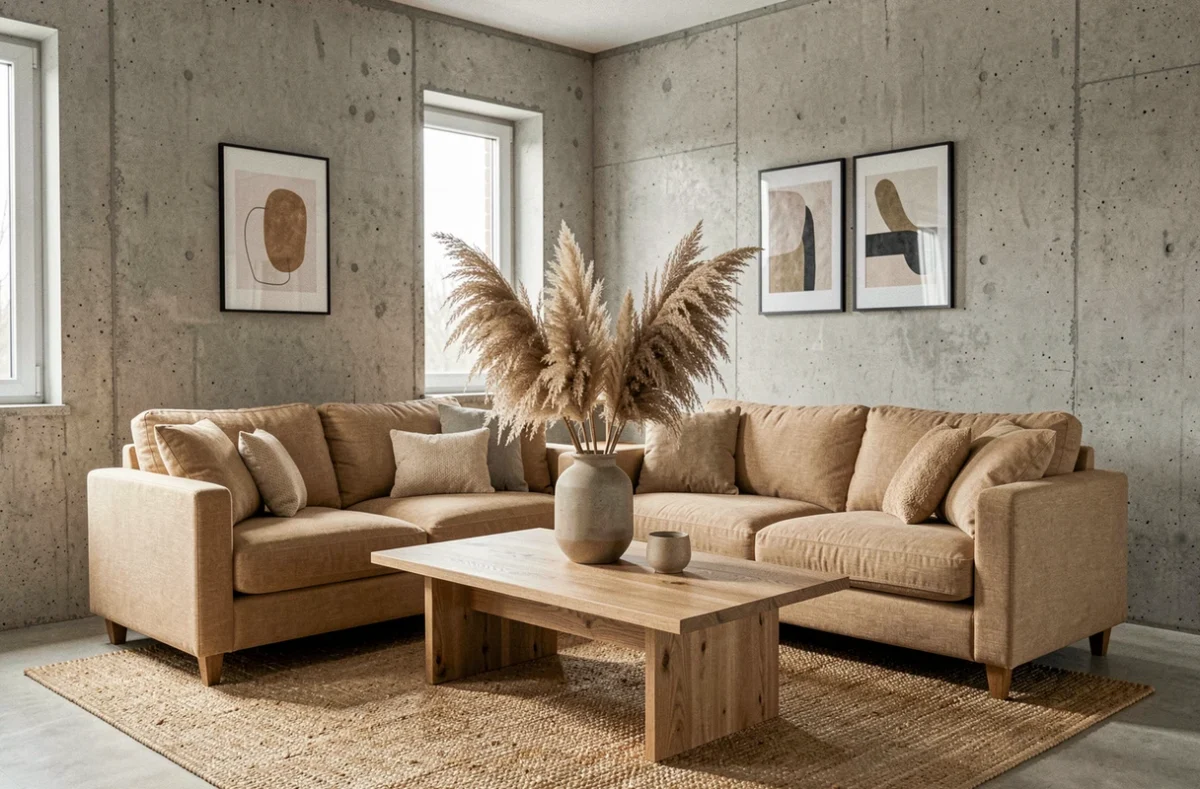
A wrinkled linen sofa sits next to a vintage lamp found at a flea market and a wall painted in a deep sage green. This type of interior, far from perfectly coordinated catalog pages, reflects an underlying trend in decoration: creating a space that tells a story rather than applying a turnkey style. The latest trends in home design and decoration prioritize material, the sustainability of choices, and a more personal approach to interior design.
Low-emission materials: a decoration criterion that has become technical
Have you ever noticed that persistent smell after laying laminate flooring or repainting a wall? It often comes from the volatile organic compounds (VOCs) released by finishes. This issue goes far beyond ecological sensitivity: low-VOC materials are becoming a common selection criterion in interior design projects.
The RE2020, which governs new construction in France, incorporates the carbon impact of products and summer comfort. In practice, this means that the design of a room is considered with natural light, ventilation, and solar protections, not just a color palette. Choosing paint, varnish, or wall panels also involves checking their emission label.
To explore the various sectors related to housing and decoration, resources like the Habitat Expo home site help identify manufacturers that clearly display their commitments to indoor air quality.
In concrete terms, prioritize products rated A+ on the French health label. Bio-based paints, lime plasters, and natural wood oils offer credible alternatives to conventional finishes without sacrificing aesthetic appeal.
Reuse of materials in interior decoration: beyond the vintage trend
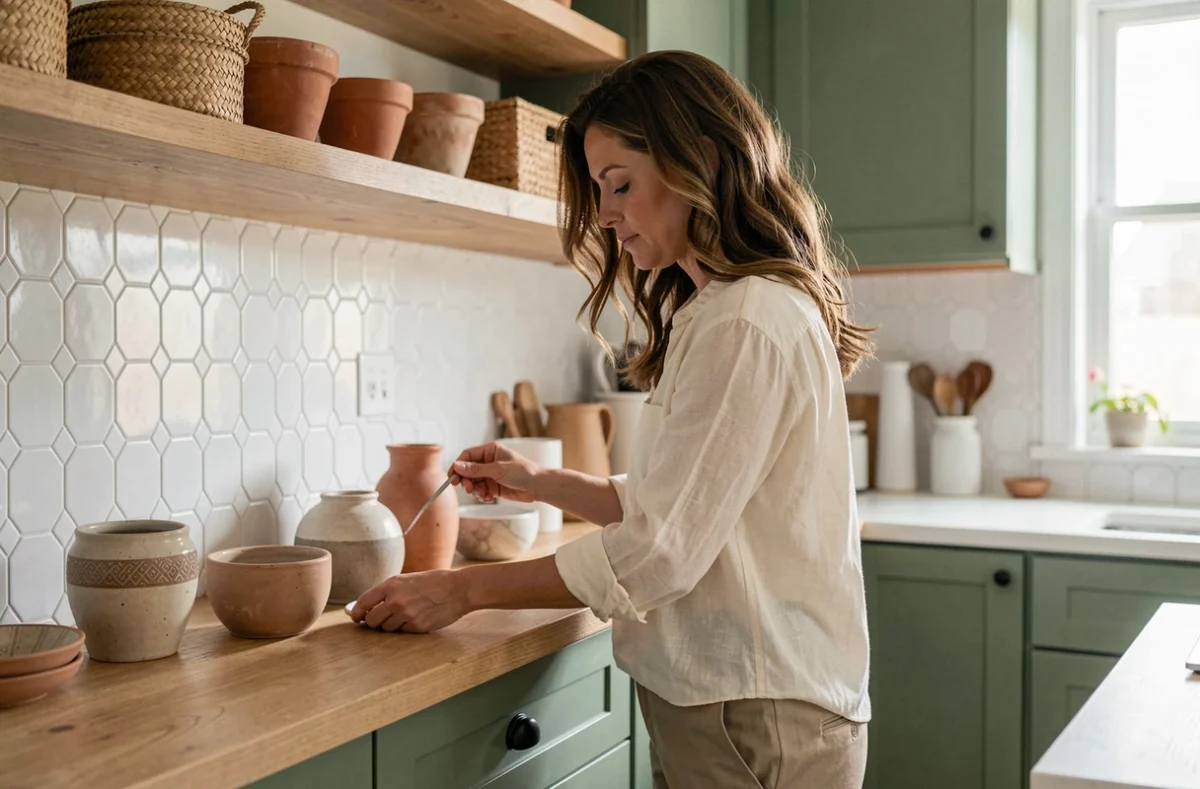
Repurposing an old door into a table top is creative DIY. Structuring a decor project around reused materials is something else. The reuse of construction materials is becoming a regulatory issue, not just an aesthetic stance.
In France, the PEMD diagnosis (products, equipment, materials, and waste) applies under the AGEC law for certain demolition or renovation operations. This diagnosis requires identifying recoverable elements before demolition. The post-construction inventory checks that reused or disposed materials are properly tracked.
Which materials to reuse for decorating your home
Not all elements lend themselves to decorative reuse. Here are those that work best in interior design:
- Old woodwork, beams, and floors bring an irreplaceable patina. Their prior treatment (sanding, anti-termite treatment) determines their durability in a new use.
- Salvaged cement tiles from renovation sites retain patterns that are unavailable in new commerce. Plan for deep cleaning and waterproofing.
- Period lighting fixtures and ironwork (handles, locks, grilles) serve as focal points in a contemporary room without overwhelming the decor.
The reform of the REP building, with an announced evolution starting January 1, 2027, pending the final publication of the texts, could change the economics of these materials. The separate collection of wood, plaster, and metals would make reuse more accessible and better organized.
“Collected over time” style: creating an interior that wasn’t purchased all at once
The most photographed interiors on social media in 2026 share a common point: they seem to have been composed over time rather than delivered turnkey. This trend, sometimes called “collected over time,” contrasts with fully coordinated decors where every object comes from the same store.
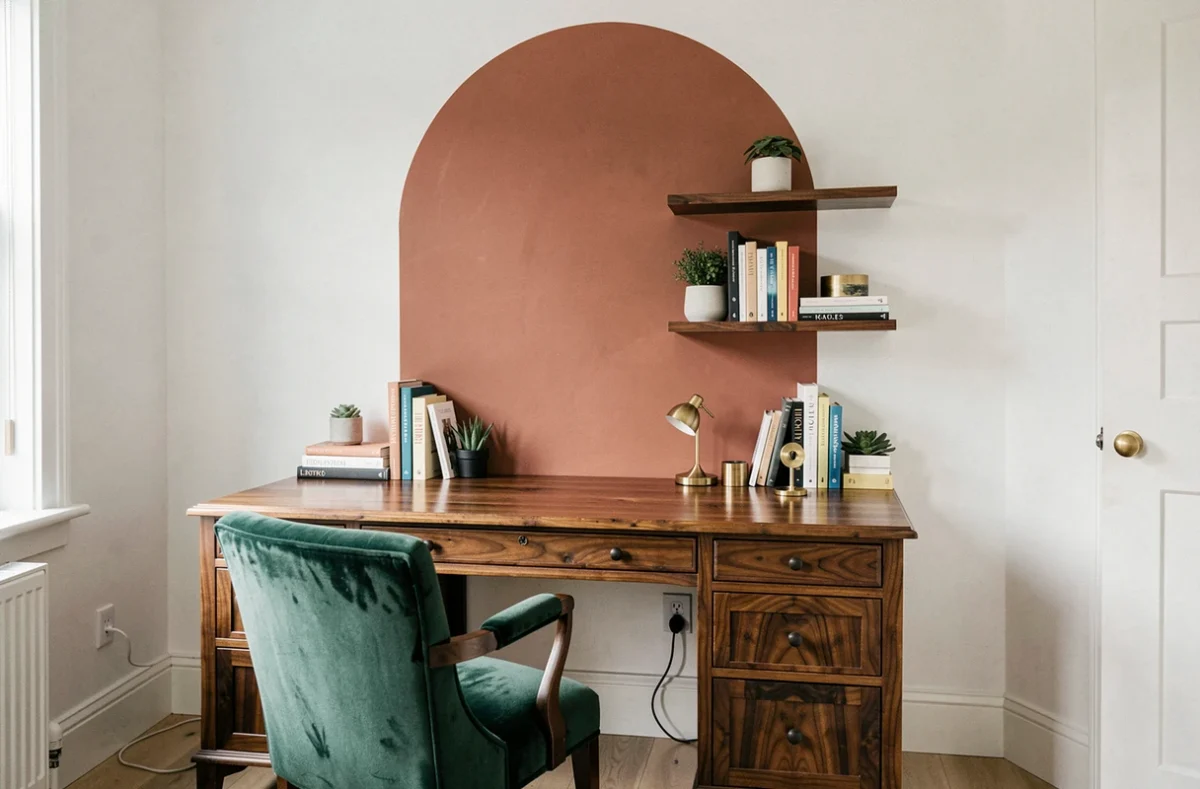
The principle is simple. Instead of furnishing a room in a weekend, one gradually accumulates objects, furniture, and textiles, each with a different origin. A 1970s armchair coexists with a contemporary light wood coffee table and artisanal ceramics.
How to apply this style without falling into chaos
The difference between a “composed” interior and a cluttered one lies in a few guidelines:
- A guiding thread through colors: limit your palette to three or four dominant tones, even if the furniture comes from different eras.
- A consistency of materials: wood, linen, terracotta, or patinated metal create a visual link between disparate pieces.
- Embracing empty spaces: a bare wall or a half-filled shelf provides breathing room. Accumulation works when balanced by calm areas.
This style requires patience. It works well for those who enjoy hunting for treasures at flea markets, visiting ceramic workshops, or simply keeping an inherited piece of furniture rather than replacing it.
Autumn colors and natural textures: decor trends for the living room
Color palettes for the living room are evolving towards more enveloping shades. Deep greens, terracottas, warm browns, and textured beiges are gradually replacing the ubiquitous gray of previous years. Color is returning to the living room through walls and furniture, not just through accessories.
The choice of wall color works best when tested directly in the room, at different times of the day. A sage green appears soft under northern natural light and much more intense in front of a south-facing bay window. Before painting an entire wall, apply a sample to a surface of at least one square meter.
In terms of textures, raw textiles are gaining ground: washed linen for curtains, boucle wool for cushions, jute or sisal for rugs. These natural materials also contribute to the acoustic comfort of a room, an often-overlooked aspect of decoration.
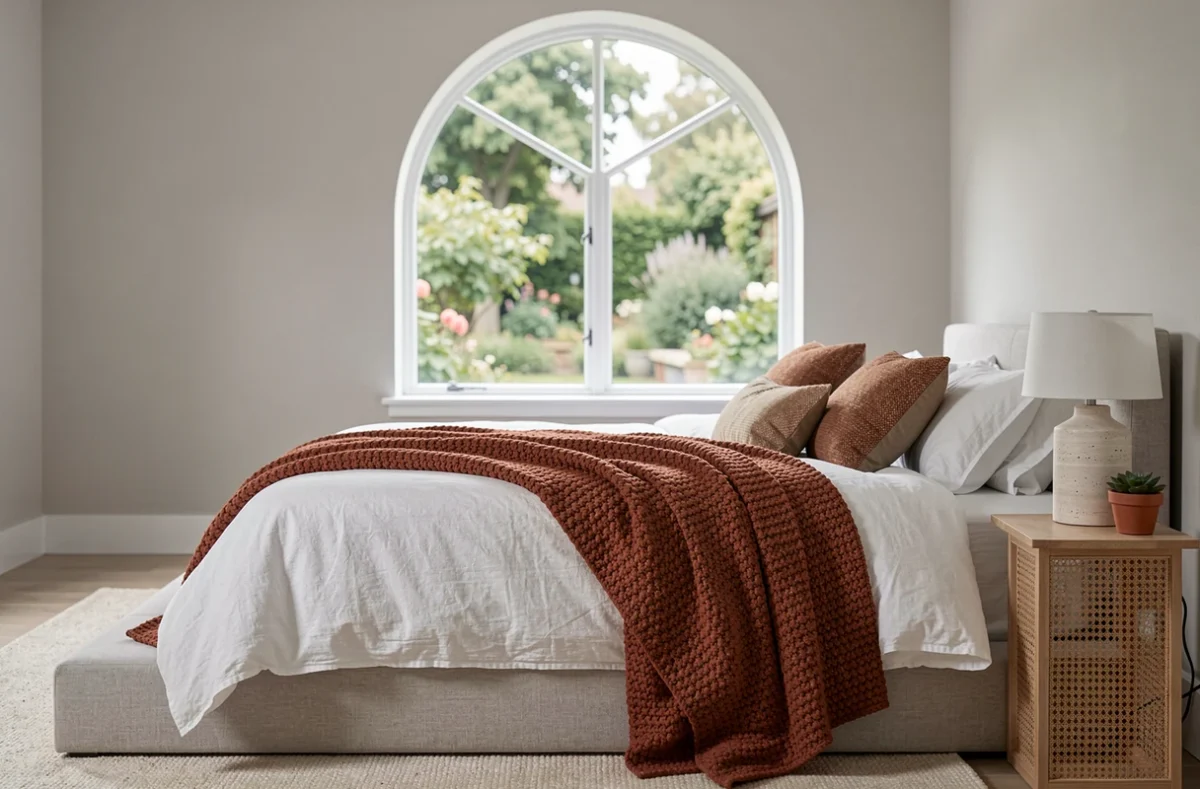
Arranging and decorating your home according to current trends is less about copying a style than making informed choices. The quality of air, the traceability of materials, and the gradual composition of an interior weigh as much as the visual outcome.
A well-painted wall with a healthy product, a found piece of furniture with history, and a color palette tested in the true light of your living room: these three actions are enough to transform a space without distorting it.