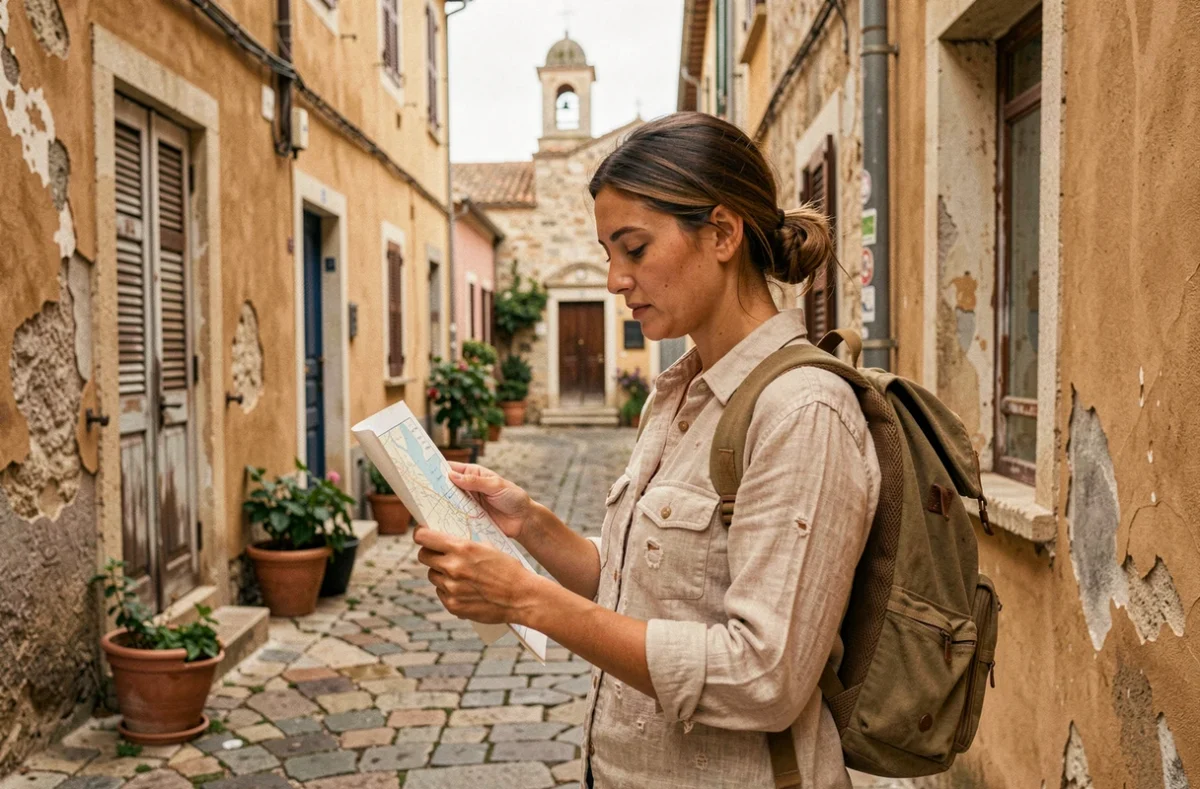
Global tourism has returned to pre-pandemic levels, along with the concentration of visitors at a handful of sites. Some European cities are testing access fees, while others are restricting short-term rentals. Rome, for example, has ruled out a general admission fee and is instead prioritizing restrictions on short-term rentals to protect its residential neighborhoods—a contrast with Venice, which has trialed an access ticket for day visitors.
These differing responses show that overtourism cannot be solved with a one-size-fits-all remedy. For travelers, planning an authentic trip away from mass tourism takes specific preparation, going well beyond choosing a trendy destination.
Local capacity: the factor travel guides don’t mention
Most travel advice boils down to “go somewhere else.” The European Commission offers a more nuanced view: redistributing visitor flows is not enough without planning for local capacity. A coastal village or mountain hamlet without adequate sanitation infrastructure or waste management designed to handle an influx of visitors can suffer the same damage as an overcrowded site—sometimes even faster.
Before choosing a lesser-known destination, it’s worth checking a few practical details. Does the place have accommodation run by permanent residents? Are its trails and natural sites marked, maintained, and subject to visitor limits? Is there a local organization—such as a tourist office, association, or cooperative—that manages visitor reception?
The inland Basque Country, on both the French and Spanish sides, is a good example of this approach. The Soule and Baztan valleys have welcomed visitors for years, with homestays, farms open to visitors, and tours led by local operators. To plan this kind of trip, the Basque Country Unpacked website features itineraries built around meeting local producers, craftspeople, and guides.
This kind of research protects both the traveler and the destination. A place that sees few visitors isn’t necessarily ready to welcome more—a distinction that the search for authenticity can tend to obscure.
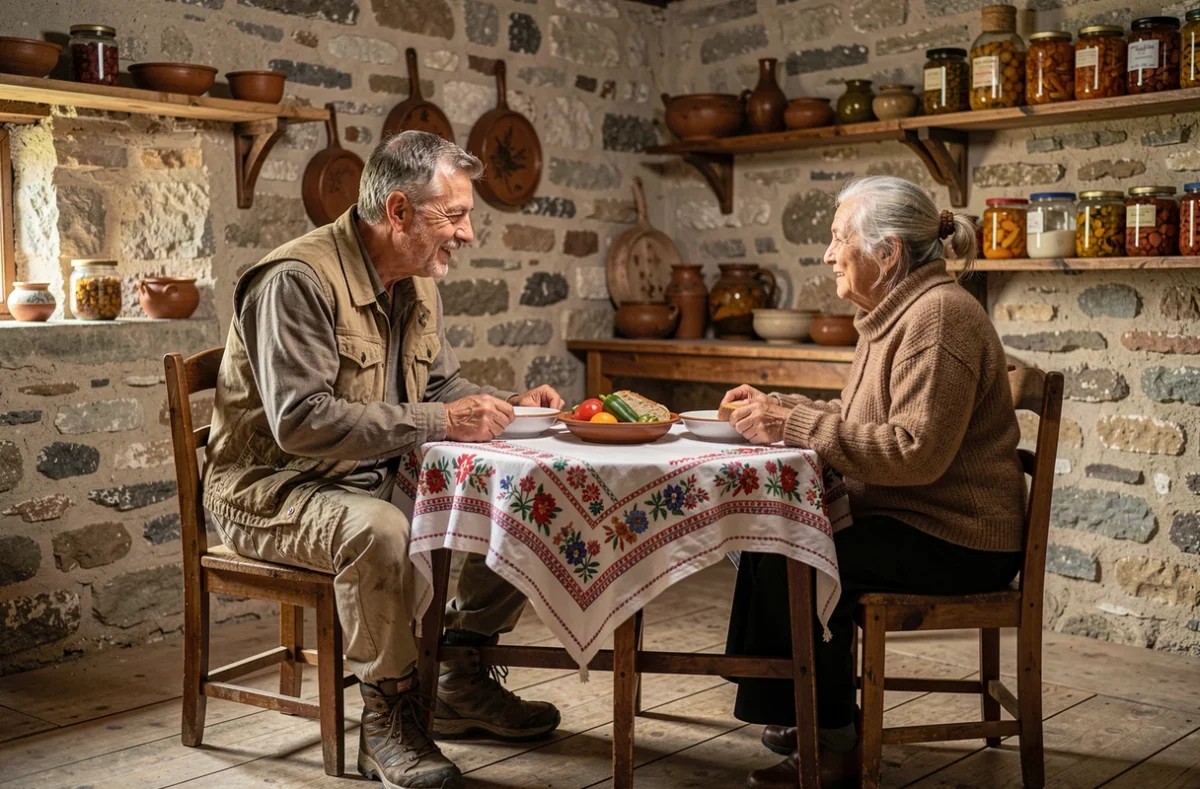
Seasonality and tourist flows: timing your trip makes all the difference
Peak season concentrates most visitors into just a few weeks. The consequences go beyond the simple discomfort of crowds: higher prices, overloaded transport, pressure on water resources in dry regions, and faster deterioration of natural sites.
Traveling off-season is advice you hear everywhere, but it needs a little nuance. Not all local services operate during the low season. A family-run restaurant may close in November, while a mountain refuge may not open until June. The best time to go isn’t simply “when there are fewer people”; it’s when the destination is operating normally without being overwhelmed.
The shoulder seasons (April–May and September–October in Europe) often offer this balance. Accommodation remains open, local markets are running, and the weather is suitable for most outdoor activities. In the Mediterranean, October is still pleasant for coastal hikes, while the beaches are already free of summer crowds.
What to check before you go
- Check opening dates for local accommodation and restaurants during your planned visit, contacting businesses directly if necessary
- Find out about local events—festivals, harvests, and seasonal livestock migrations—that bring the area to life without overwhelming it and offer a genuine cultural experience
- Identify seasonal weather or regulatory restrictions, such as trail closures, limits on access to nature reserves, or hunting seasons
This research takes time, but it’s what separates a thoughtfully planned trip from an improvised getaway that could leave you facing closed doors.
Local accommodation and the regional economy: where travelers’ money goes
Your choice of accommodation largely determines the economic impact of your stay. A guest room run by a local resident keeps income in the community: maintaining the property, buying from nearby producers, and creating local seasonal jobs. A short-term rental operated by an outside investor through a platform sends money out of the area.
Short-term rentals operated by outside investors are also affecting popular rural areas, where the supply of rental housing is shrinking to the detriment of permanent residents.
Travelers can look for a few signs that accommodation is rooted in the local community:
- The owner lives on-site or nearby and can recommend local craftspeople, producers, or guides
- Breakfast or meals feature identifiable local products, such as valley cheese, bread from the neighboring bakery, or homemade preserves
- The property is listed with the local tourist office or a regional association, not just on major booking platforms
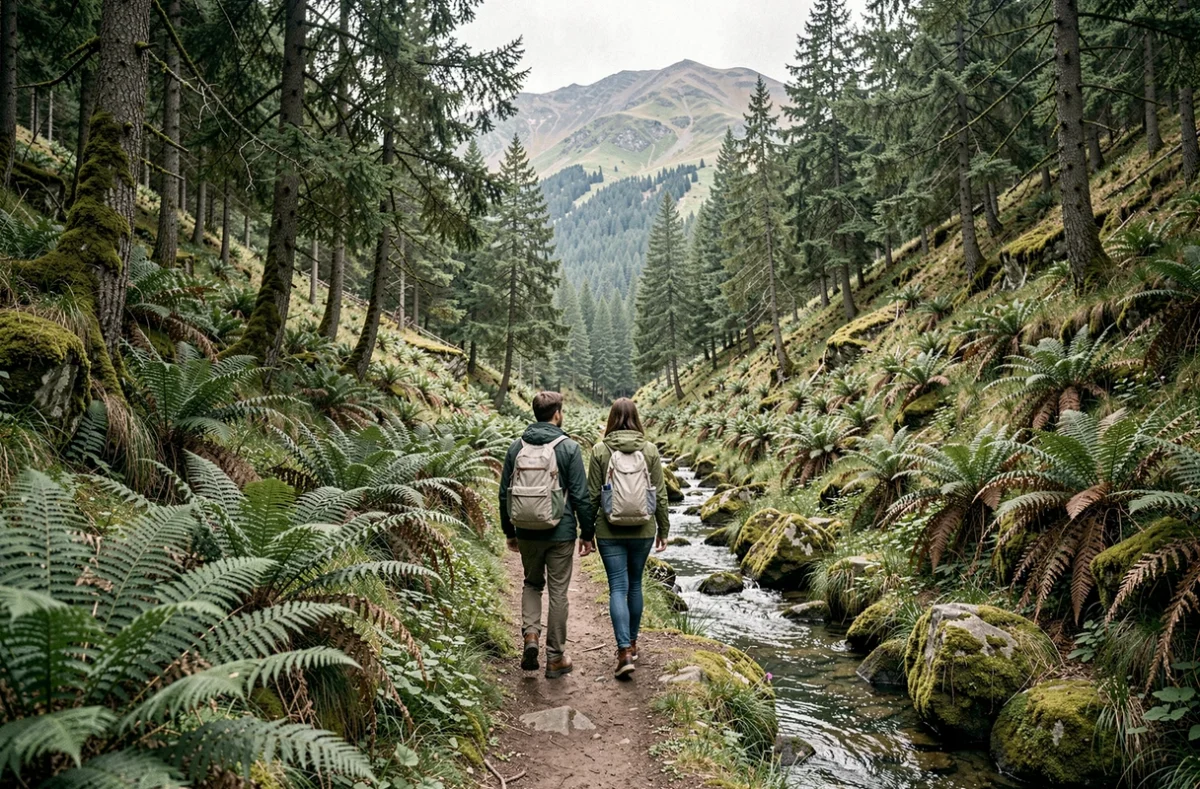
The traveler’s approach: how cultural preparation changes the experience on the ground
An authentic trip isn’t created through logistics alone. How travelers behave while they’re there shapes the quality of their interactions. A visitor arriving in a Basque village without knowing that Euskara is a living language, not folklore, misses an entire dimension of the region.
Reading a local author, listening to the region’s music, and learning the basics of its history can change how you see a place. The goal isn’t to become an expert, but to show a little consideration for the place you’re visiting. Residents can immediately tell the difference between a tourist who consumes the scenery and a traveler who takes an interest in its context.
Local language and customs
Learning a few phrases in the local language, even if you stumble over them, can open doors. In the Basque Country, a “kaixo” (hello) or “eskerrik asko” (thank you) can bring smiles and spark spontaneous conversations. In Sicily, knowing that lunch lasts two hours and shops close in the afternoon helps avoid frustration and makes it easier to adapt to the local pace.
Authenticity isn’t a feature of the destination; it’s a quality of the traveler’s attention. A UNESCO World Heritage Site can offer a profound experience if you visit early in the morning with a local guide and have read about its history. The same site at noon, in a queue, with a generic audio guide, offers the exact opposite.
The limits of “authentic travel”: what’s still difficult to guarantee
The idea of authenticity is itself problematic. What travelers perceive as authentic is often a carefully staged experience designed for them. A “traditional” market that exists only for tourists, a ceremony reenacted outside its ritual context, or an artisan making objects that no one in the village uses: the line between cultural exchange and commercial spectacle remains blurred.
There is little data to precisely measure the impact of “alternative travel” on local economies. Available studies focus on mass tourism, rarely on the small-scale flows of independent travelers. We know that European institutions recommend spreading visitor flows across different times and places, but how effective this redistribution is depends on each destination, its governance, infrastructure, and local political will.
Planning a trip away from mass tourism remains a balancing act. Preparation, checking local capacity, choosing accommodation rooted in the community, and taking a listening-first approach can’t guarantee an “authentic” experience in the idealized sense of the word. They can, however, help you travel with a clearer understanding of what each choice means for the place you visit and the people who live there year-round.