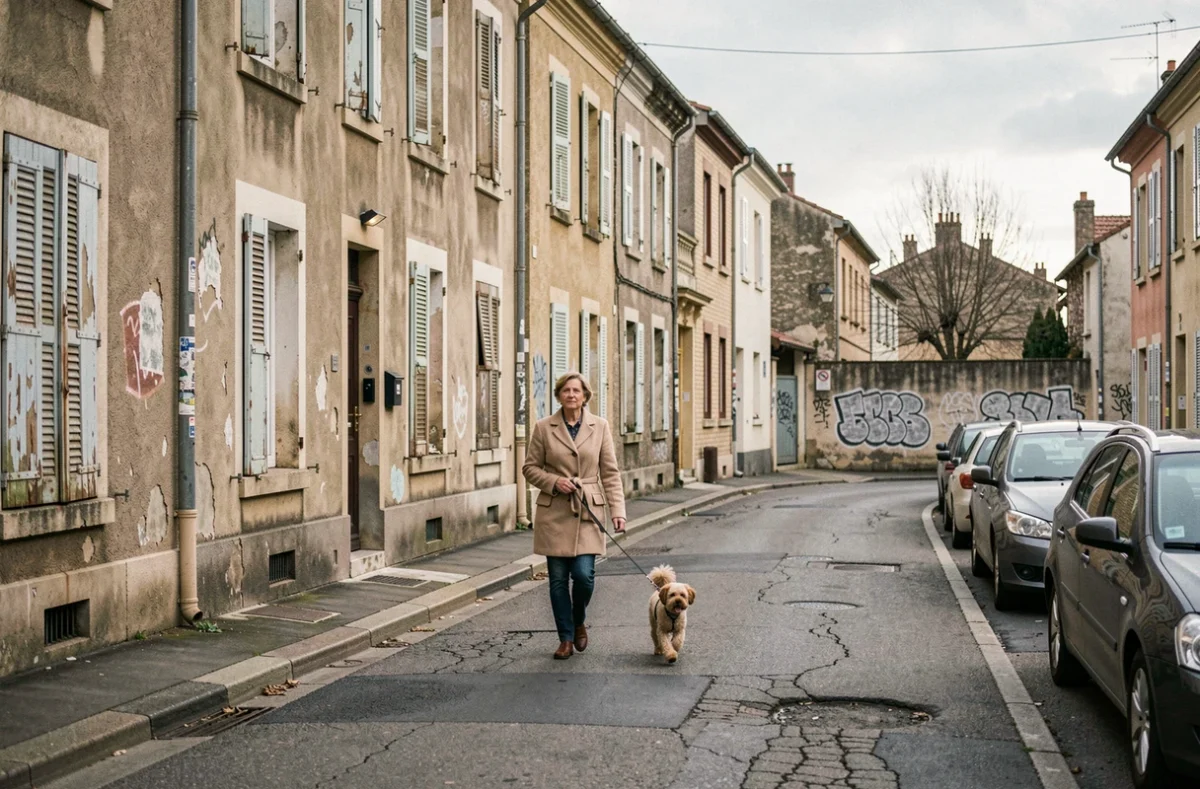
You are considering moving to Blois and wondering if certain neighborhoods deserve special attention before signing a lease or a sales agreement. The city attracts with its castle, its Loire river, and its moderate real estate prices. But like any urban area, not all sectors are equal in terms of tranquility or daily living conditions.
Map of QPV in Blois: what the official classification doesn’t tell you alone
Most articles on the subject simply list neighborhood names. The problem is that the perception of an area and its administrative reality do not always coincide.
The map of priority neighborhoods of the city policy (QPV) was updated on January 1, 2024. This new perimeter is based on the residents’ income, not just on crime statistics. A neighborhood classified as QPV concentrates socio-economic difficulties, which does not automatically mean insecurity in daily life.
Before crossing an area off your list, check if it appears in the QPV geography 2024 rather than in outdated rankings. The perimeters have changed, and some neighborhoods previously flagged are no longer part of the system, while others have been added. A detailed article on neighborhoods to avoid in Blois allows you to compare this official data with the reality on the ground.
Why does this distinction matter? Because a property located in a QPV may benefit from renovation aids or tax incentives, while still presenting a decent living environment street by street. Conversely, an area outside the QPV may concentrate occasional nuisances that global statistics do not capture.
Kennedy Neighborhood in Blois: the only QPV, but not a uniform block
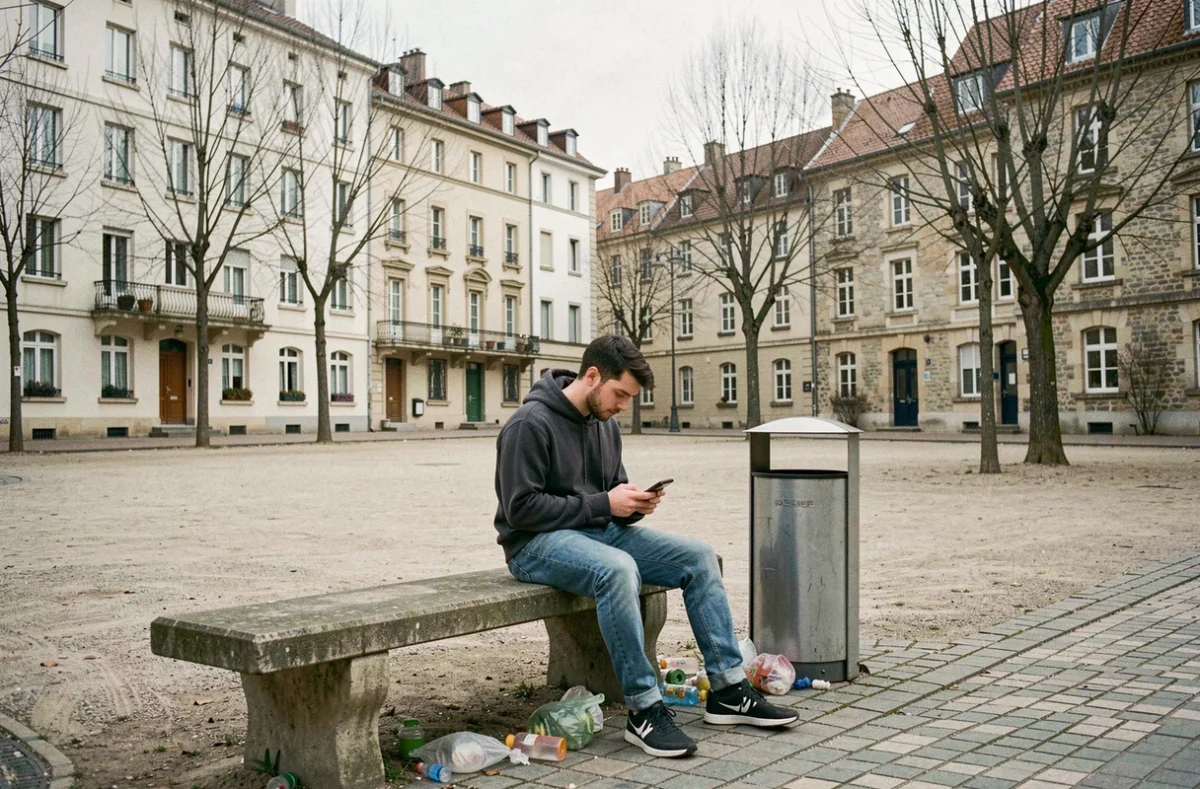
Kennedy is the neighborhood most often mentioned when talking about sensitive areas in Blois. It is the only sector classified as QPV in the municipality. This label sticks to it, but it deserves nuance.
Kennedy consists of several micro-sectors with very different atmospheres. Some alleys are quiet, well-maintained, with families who have lived there for a long time. Others concentrate more tensions, particularly around identified dealing points by the residents themselves.
Have you ever noticed that the same postal code can cover opposing realities? This is exactly the case here. Visiting on foot, at different times of the day, remains the only reliable way to get an idea. A visit on a weekday evening and another on the weekend provide two complementary views of the neighborhood.
What to observe on site
- The condition of common areas in buildings: mailboxes, lobbies, lighting. A well-maintained building indicates an active co-ownership or a responsive landlord.
- The presence of nearby shops open: bakery, pharmacy, convenience store. Their presence indicates a functioning local economic fabric.
- The noise level after 10 PM: noise nuisances are the primary cause of complaints in dense neighborhoods, well before crime.
- Ongoing or scheduled works: an urban rehabilitation project often signals improvement in the medium term.
Vienne and Quinière-Béginage: sectors to examine street by street
After Kennedy, two other names frequently come up in discussions: Vienne and Quinière-Béginage. Neither is classified as QPV, but they concentrate occasional reports.
The Vienne neighborhood suffers mainly from its reputation inherited from the 2000s. Since then, renovation operations have changed the housing stock. Some streets close to the city center offer a good compromise between low prices and proximity to services.
The Quinière-Béginage has a different profile. More peripheral, this sector mixes social housing and individual houses. Tensions are very localized, often related to one or two specific buildings rather than the entire neighborhood.
Thinking street by street and building by building rather than by entire neighborhood helps avoid missing good real estate opportunities. An apartment located two streets away from a tension point can offer a perfectly serene living environment, at a price significantly lower than that of the historic center.
Concrete criteria for evaluating a neighborhood before moving to Blois
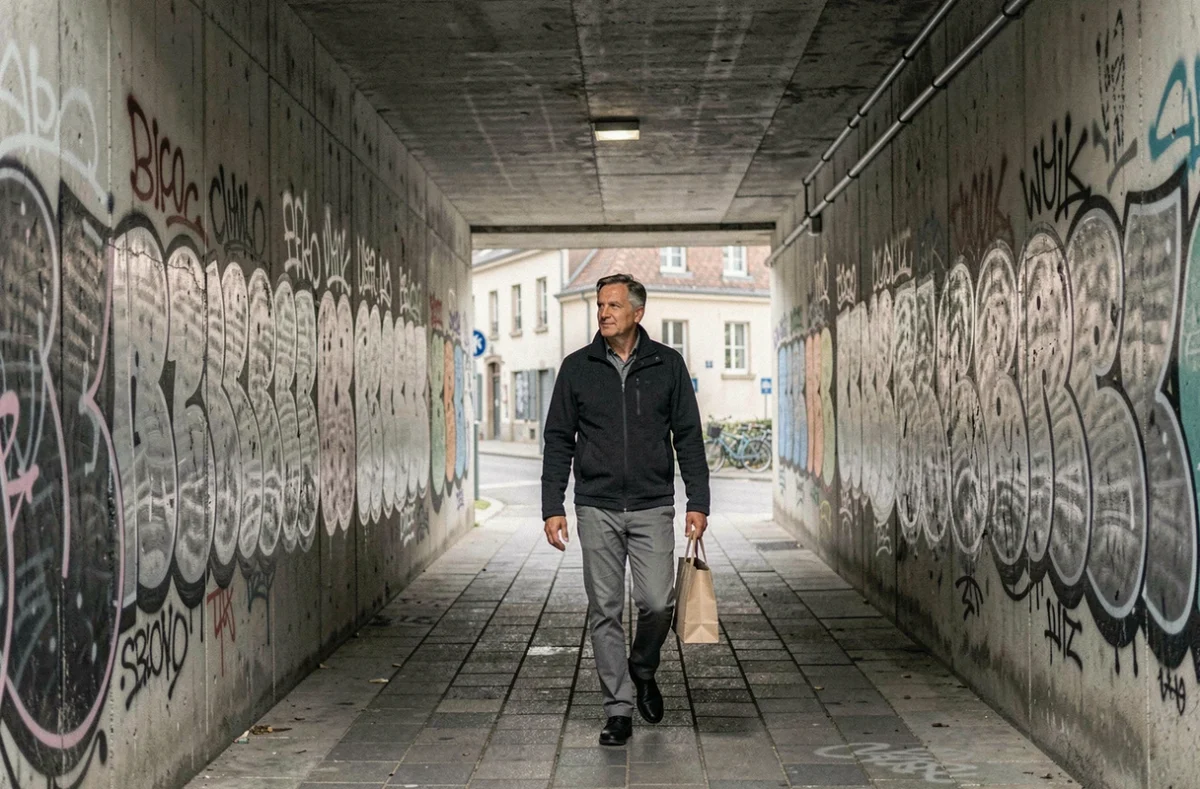
Lists of neighborhoods to avoid provide initial guidance. But they do not replace personal verification. Here are the criteria that really matter in daily life.
The frequency of public transport affects your mobility if you work outside the neighborhood. A poorly served area makes you dependent on a car, which increases your monthly budget.
The price per square meter alone is not enough. A cheap apartment in a building with high co-ownership fees or unallocated voted works can cost more than a better-located property. Always ask for the minutes of the last general meetings.
- Check the building permit file at the town hall: an urban redevelopment project nearby can enhance or devalue your property in the medium term.
- Ask local shopkeepers: they experience the area daily and often provide a more reliable opinion than an online review.
- Check if the neighborhood is covered by a city contract or an urban renewal program, a sign that public funds are being invested there.
A neighborhood undergoing rehabilitation often offers the best value for money. Nuisances gradually decrease while prices have not yet caught up with those of already valued sectors. This is a decision to make with knowledge, not a blind gamble.
Blois remains a human-sized city where distances are short. Even the most distant neighborhoods from the center are just a few minutes away by car or bus. The choice of a neighborhood depends as much on your tolerance for noise, your budget, and your work hours as on a fixed ranking on a map.