In Italy, the majority of families buy industrial pasta, despite a still vibrant artisanal tradition in some rural areas. Sales of home pasta machines have surged by 30% in France since 2020, while the price of a pack of dry pasta has seen an unprecedented increase.
Making your own pasta doesn’t always lower the bill, but it allows for complete control over the ingredients and flavor. Basic recipes require little equipment and experience, making the process accessible to everyone, even without formal cooking training.
Homemade Pasta: Authentic Pleasure or a Trick to Save Daily?
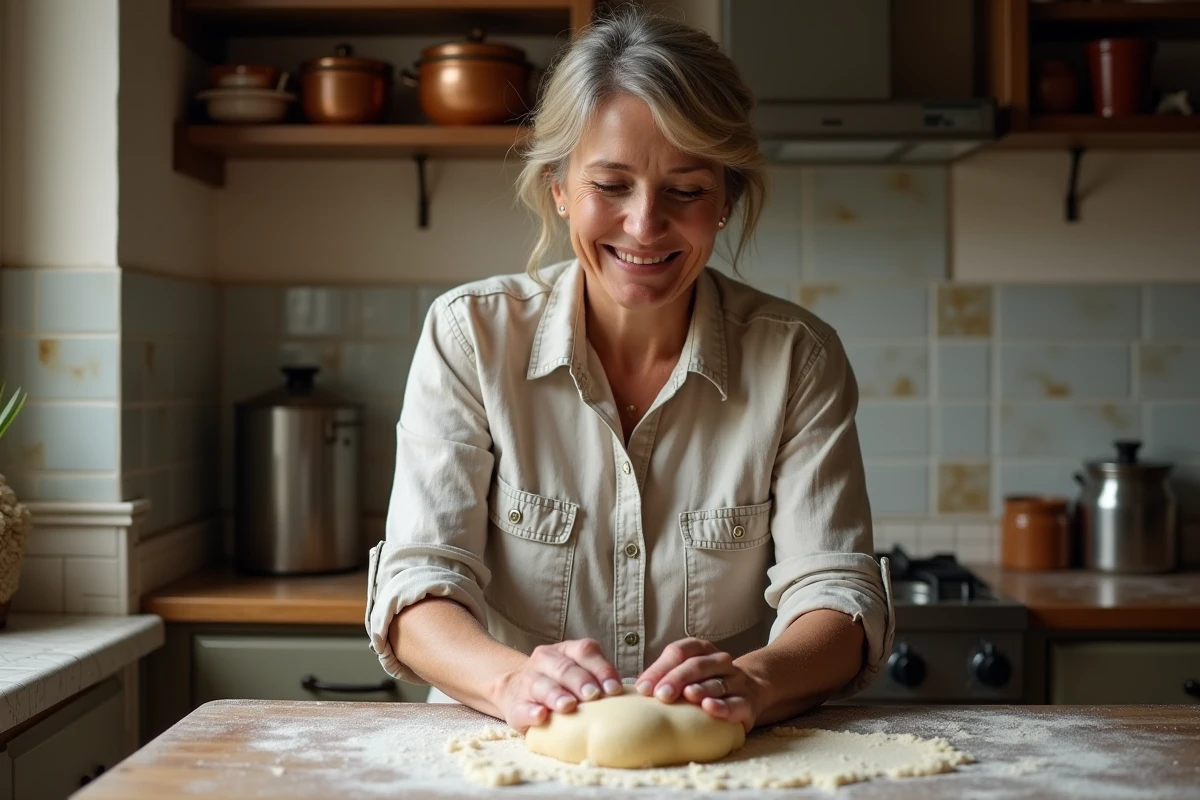
Making your own fresh pasta is as appealing as it is intriguing. When prices soar on the shelves, some seek a solution at home. The feel of the dough, flour flying, the precise choice of ingredients, farm-fresh eggs, semolina or quality durum wheat—all of this transforms the kitchen into a workshop of expression. You gain a custom taste, far from industrial standards where every pack looks like the last.
But if we look at the wallet, the reality is less clear-cut. To get started, you need:
- A dozen eggs
- A kilogram of flour
- Time to dedicate
The cost, on paper, remains contained, especially for feeding several people during a rise in industrial dry pasta prices. But the savings become truly visible when making pasta becomes a habit. Preparing your pasta from time to time is a celebration of Italian cuisine in a festive way. Sticking to it every week gradually lightens the expense of daily pasta dishes.
Another appealing advantage is the freedom to invent. Adjusting the water, sprinkling with herbs, or varying the shapes—ravioli, tagliatelle, orecchiette—each pasta recipe reinvents itself according to mood. For those who want to put numbers to their curiosity, Making Your Own Pasta details the accounts, with concrete examples, to estimate the true cost of this practice.
Ultimately, making pasta at home goes beyond just the budget question. It’s also a sensory adventure, a gesture that connects to tradition, a way to pay attention to what we share around the table.
The Secrets of Successful Dough, Even Without Professional Equipment
Achieving fresh pasta worthy of trattorias is not a miracle. A few well-chosen ingredients are enough: flour, water, eggs. Provided you respect their proportions and quality. A gluten-rich wheat flour will give the expected elasticity; semolina adds a firmer bite, typical of certain regional specialties.
No need for a pasta machine or a roller to get started. A rolling pin, a floured surface, and you’re off. The real secret? Kneading the dough for a long time, so the gluten does its work. Then, patience is required: the dough must rest in the cool, tucked under a damp cloth. This resting time is a key step; it makes rolling out easier and the texture more uniform.
Fundamental Steps to Make Fresh Pasta by Hand
Here are the essential steps to succeed without sophisticated equipment:
- Knead until you have a soft dough that no longer sticks to your fingers
- Let it rest for at least half an hour to relax the dough
- Roll out thinly, cut into the desired shape
- Monitor the cooking of the pasta closely: one minute too long is enough to ruin everything
The absence of professional equipment is not an obstacle but an invitation to reconnect with the gesture. The hands feel the dough, judge the thickness, adjust the moisture. It’s a learning process made of attempts and adjustments, rewarding perseverance more surely than technology.
Tips and Ideas for Easily Getting Started with Fresh Pasta Preparation
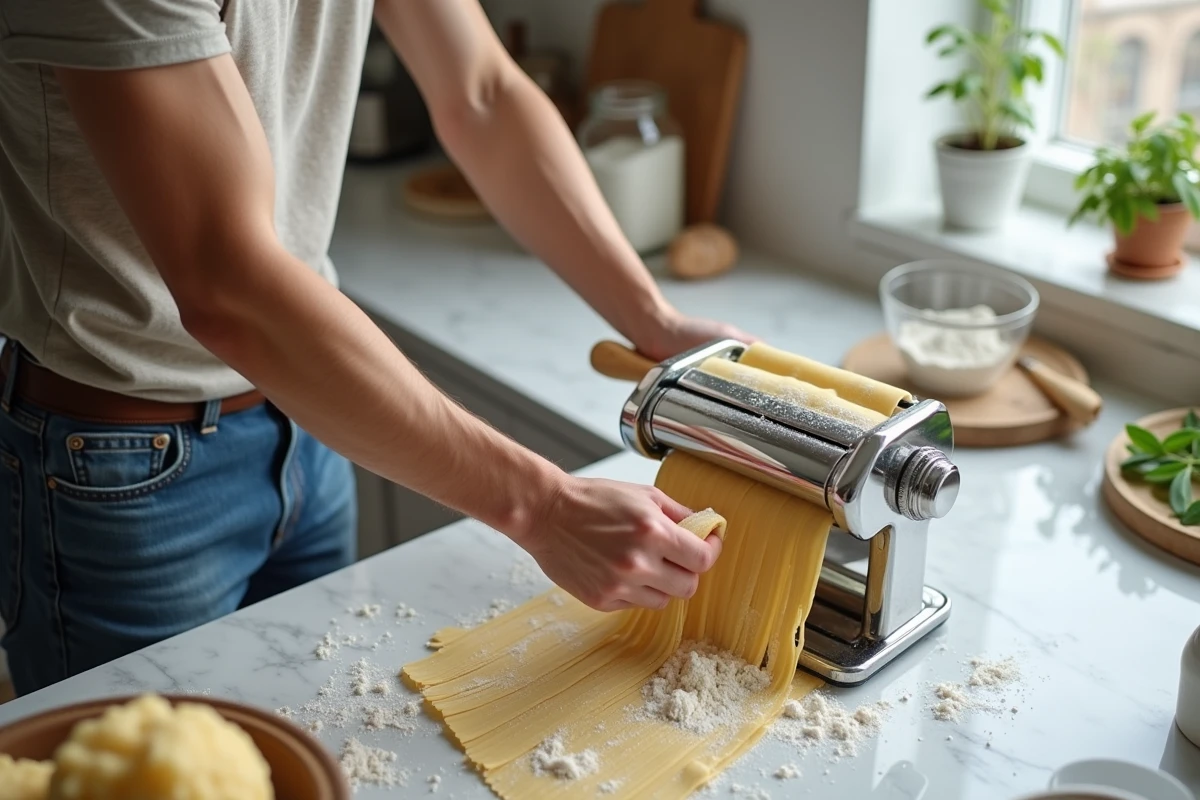
Diving into homemade pasta opens the door to unexpected discoveries, far from the routine of industrial packs. To start, a basic recipe is enough: 100 g of flour for one egg, a drizzle of olive oil, a pinch of salt. Knead, let rest, then roll out. No need for gadgets: a simple knife is enough to cut tagliatelle or pappardelle.
For seasoning, fresh pasta pairs wonderfully with simple toppings:
- A tomato sauce simmered with garlic, oregano, or a touch of fresh basil
- A pepper mill, a drizzle of olive oil, and you’re done
Want a different dish? Try tuna tomato pasta for indulgence, or the minimalism of cacio e pepe, a blend of black pepper and grated cheese.
To ensure every dish is a success, a few tips are worth remembering:
- Grate the cheese just before serving; it melts much better on hot pasta
- Save a ladle of cooking water to bind the sauce without drowning it
- Add a drizzle of olive oil at serving to enhance the texture
Whatever the time of year, the range of pasta recipes is endless. Asparagus in spring, chanterelles in autumn, juicy tomatoes in summer: each season has its interpretation. Fresh pasta thus retains its power to bring people together and authenticity, far from the monotony of industrial products. An invitation to rediscover true taste, the one that leaves a mark and brings people around the table.