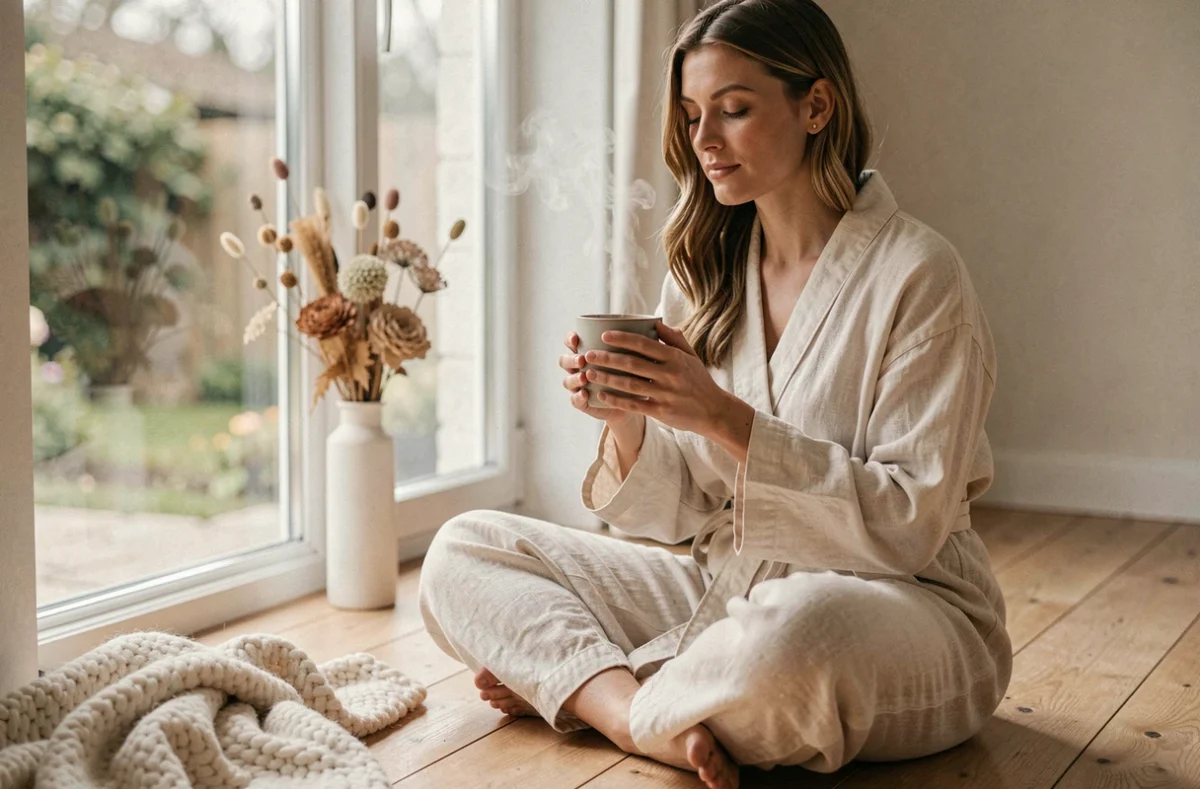
The infusion aisle in French supermarkets has changed its appearance. Generic bags now sit alongside “premium” ranges, sold at two to three times the price, featuring refined packaging and various wellness promises. This upgrade accompanies an underlying trend: the search for naturalness, reduced alcohol consumption, and the diversification of moments when one drinks an infusion, well beyond the traditional evening ritual.
Behind the “premium” label, the quality criteria remain vague for most consumers. Plant origin, aromatic profile, botanical safety, regulatory framework for health claims: several angles deserve careful examination before transforming a simple cup into a true moment of relaxation.
Botanical safety of infusions: an often-overlooked angle
Content dedicated to wellness infusions focuses on the supposed benefits of plants. They rarely mention the toxicological limits of certain species used for internal use.
Comfrey illustrates this problem well. Comfrey is not recommended in infusions due to its pyrrolizidine alkaloids, compounds that can be potentially toxic to the liver. Other plants, seemingly harmless, can interact with medications or pose risks for pregnant women.
Premium brands that display a complete traceability approach, including precise botanical identification and contaminant controls, stand out significantly in this regard. A quality-conscious consumer would benefit from checking whether the manufacturer publishes information about its phytosanitary controls, rather than relying solely on the appearance of the packaging.
The world of quality infusions is gradually structuring itself around this requirement. Brands like 16h20 offer ranges where the selection of plants and transparency about their origin play a central role in product positioning.
Health claims on infusions: what the regulations really allow
Can an infusion labeled “detox,” “anti-stress,” or “restorative sleep” legally claim these effects on its packaging or in its commercial communication? The answer is strictly regulated.
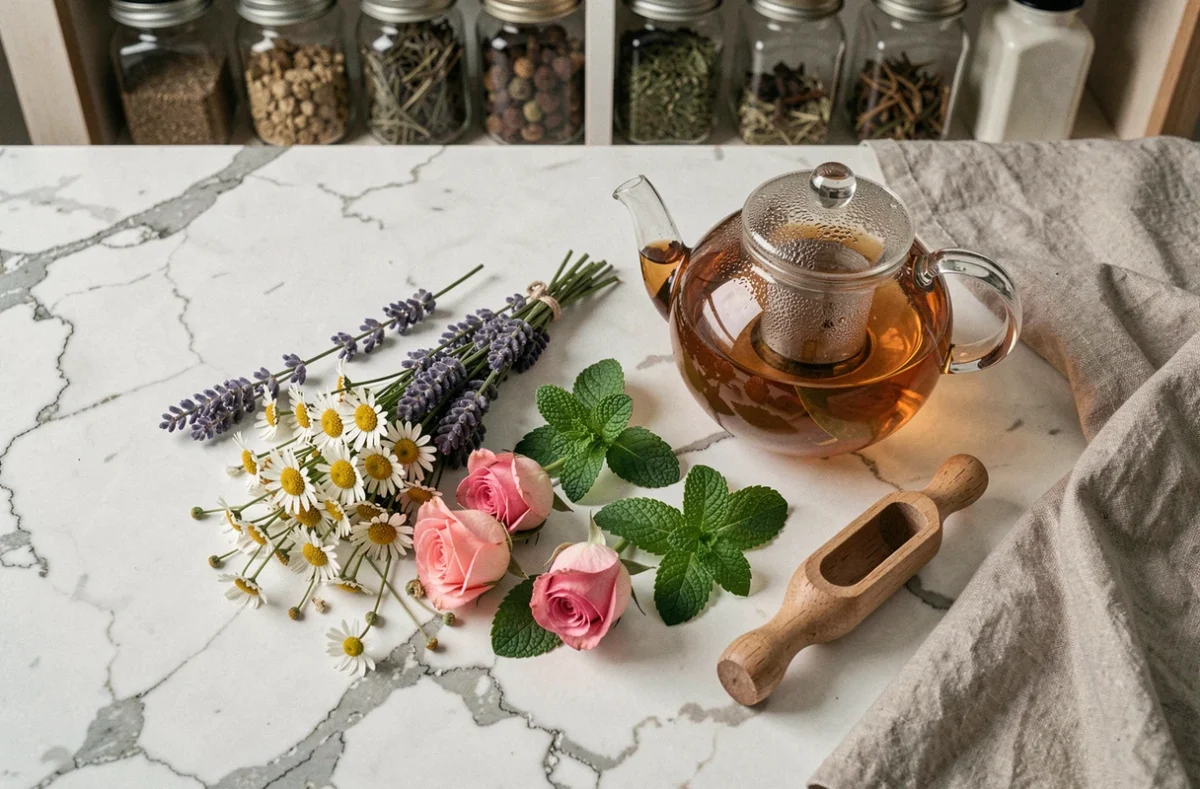
Food products cannot claim to prevent, treat, or cure a disease. Only health claims authorized at the European level can be used, and under precise regulatory conditions. In practice, this means that a brand cannot write “this infusion cures insomnia” on a bag.
The authorized formulations remain general. For example, one can state that a plant “contributes to relaxation” if that claim appears on the validated European list. Field feedback varies on this point: some premium brands play on ambiguity, using evocative visuals and vocabulary without making an explicit claim.
For the consumer, this gray area calls for particular vigilance. An elegant package and a high price do not guarantee a physiological effect superior to that of a bulk chamomile infusion.
Traceability and sensory profile: the true markers of a premium infusion
The premiumization of the infusion market no longer relies solely on the wellness promise. The criteria that truly distinguish a high-end product are shifting to other territories.
- Identifiable origin of plants: a batch traceable to the plot or producer cooperative, with a verifiable geographical indication, offers a guarantee that the label “artisanal” alone does not provide.
- Distinctive sensory profile: beyond the simple mention of “mint” or “verbena,” premium infusions differentiate themselves by aromatic complexity, quality of leaf cut, and freshness of ingredients. A bag that smells like dry hay upon opening reveals too long of storage, regardless of the brand.
- Protective and recyclable packaging: recent market analyses highlight airtight packaging that preserves aromas, with a strong trend towards recyclable materials. Decorative overpackaging without protective function is more about marketing than product quality.
Flavored infusions are progressing faster than traditional categories in France. This dynamic pushes manufacturers to innovate in blends, incorporating fruits, spices, or flowers that expand the taste palette.
Consumption moments of infusions: beyond the evening ritual
The French demand for infusions is now driven by the diversification of consumption moments. Afternoon breaks, pairing with a light meal, or replacing coffee mid-morning represent expanding uses.
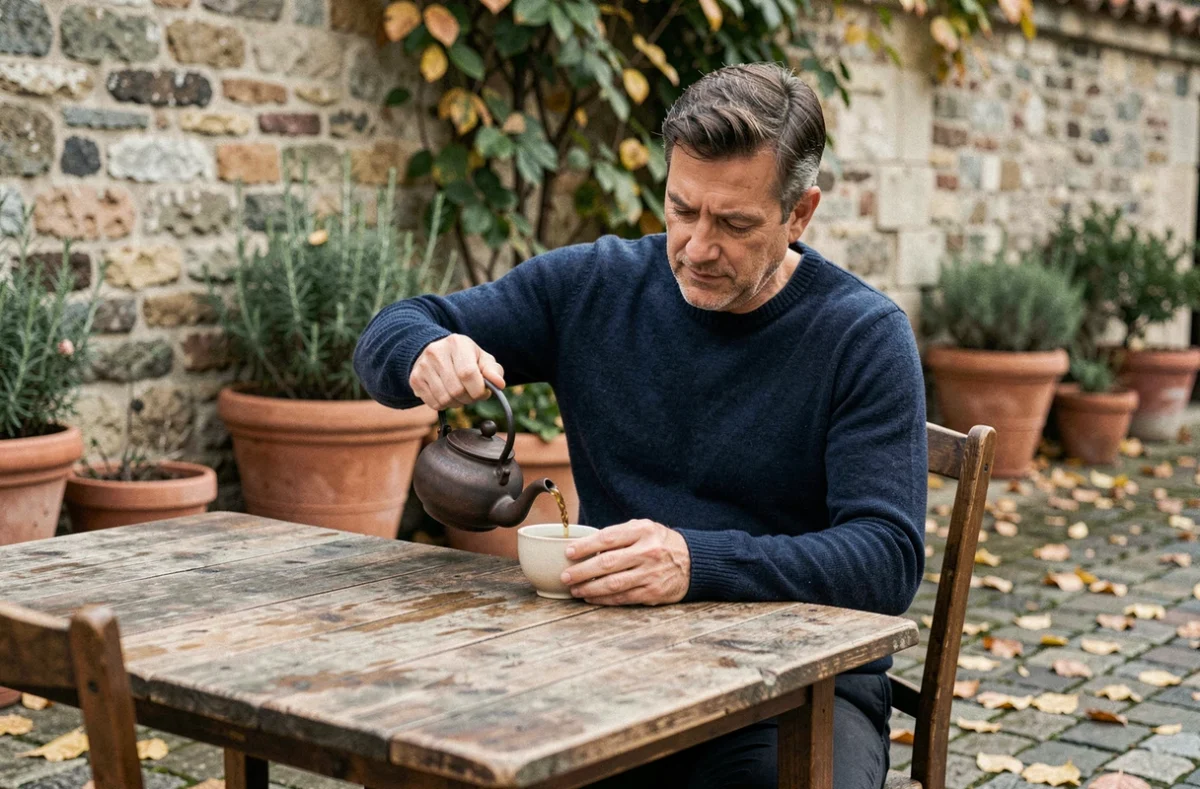
This evolution changes how one chooses an infusion. An herbal tea meant to accompany a dessert has a different profile than an evening infusion designed for relaxation. Adapting the choice of infusion to the time of day becomes a relevant criterion, which premium ranges are beginning to incorporate into their segmentation.
The temperature of the water and the infusion time also play an underestimated role. Water that is too hot on delicate plants (verbena, linden flowers) releases bitterness and destroys some of the aromatic compounds. Recommendations vary by plant:
- Tender leaves (mint, lemon balm): moderate temperature water, short infusion of a few minutes.
- Roots and barks (ginger, licorice): simmering water, longer infusion to extract active principles.
- Flowers (chamomile, lavender): water below boiling point, brief infusion to preserve aromatic finesse.
A poorly infused premium bag yields a less satisfactory result than an ordinary bulk infusion prepared correctly. The preparation method is as important as the quality of the ingredients.
The wellness infusion market continues to structure itself, balancing regulatory requirements, sensory expectations, and transparency issues. The most informed consumers about traceability, botanical safety, and preparation conditions are also those who get the most out of their cup, without being guided solely by price or packaging aesthetics.